
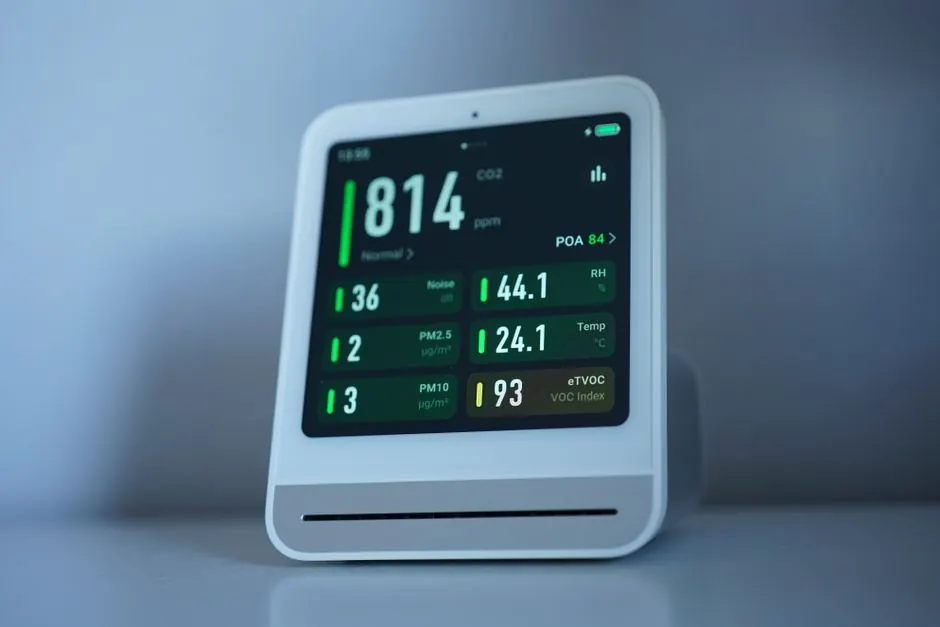
Improving indoor air quality after mold removal is essential for maintaining a healthy living environment. Mold can lead to a range of health issues, and once it's removed, ensuring your air quality is optimal is the next crucial step. This post will guide you through effective strategies tailored for Peoria residents.
Understanding Indoor Air Quality
Indoor air quality (IAQ) refers to the condition of the air inside buildings, particularly as it relates to the health and comfort of occupants. In Peoria, where the climate can lead to humidity issues, understanding IAQ is vital. Common pollutants include dust, allergens, and, of course, mold spores. After mold removal, the focus should be on eliminating any remaining spores and improving overall air quality.
Immediate Actions Post-Mold Removal
Once mold has been effectively removed, take these immediate steps to enhance indoor air quality:
- Ventilation: Open windows and doors to allow fresh air to circulate. This helps dilute any remaining contaminants.
- Air Purifiers: Invest in HEPA air purifiers, which can capture mold spores and other allergens.
- Humidity Control: Use dehumidifiers to keep humidity levels below 50%, reducing the chance of mold regrowth.
These actions can significantly reduce the presence of airborne pollutants, making your home safer.
Long-Term Strategies for Air Quality Improvement
Improving air quality is not just a one-time task. Here are some best practices to enhance indoor air quality after mold removal in Peoria:
- Regular Cleaning: Dust and vacuum your home frequently. Use a vacuum with a HEPA filter to trap allergens effectively.
- Routine Air Quality Testing: Schedule air quality testing services in Peoria to monitor indoor pollutants regularly.
- Maintain HVAC Systems: Ensure your HVAC system is clean and functioning properly. Regular maintenance can prevent mold spores from circulating.
- Use Natural Cleaning Products: Avoid harsh chemicals that can worsen air quality. Opt for natural alternatives whenever possible.
Implementing these strategies will help you maintain good air quality after mold remediation in Peoria.
Common Mistakes to Avoid
When working to improve air quality, avoid these common pitfalls:
- Ignoring Humidity Levels: Failing to monitor humidity can lead to mold regrowth.
- Overlooking Ventilation: Not allowing proper airflow can trap pollutants inside.
- Neglecting Regular Maintenance: Skipping routine checks on HVAC systems can lead to poor air circulation.
By avoiding these mistakes, you can create a healthier indoor environment.
When to Call a Professional
If you notice persistent air quality issues or suspect hidden mold, it's time to call a professional. At Peoria Mold Remediation, we offer comprehensive services to ensure your home remains mold-free and your air quality is optimal. Our team can provide tailored solutions and ongoing support to keep your indoor environment healthy.
Frequently Asked Questions
How can I improve my home's air quality after mold removal in Peoria?
Start by ensuring proper ventilation, using air purifiers, and maintaining low humidity levels. Regular cleaning and monitoring air quality can also help.
What steps should I take to ensure good indoor air quality in Peoria?
Implement regular cleaning, air quality testing, and HVAC maintenance. Use natural cleaning products and control humidity to prevent mold regrowth.
Is it necessary to use air purifiers after mold removal?
Yes, air purifiers can help remove any remaining mold spores and improve overall air quality. Choose models with HEPA filters for best results.
How often should I test my indoor air quality?
It's advisable to conduct air quality testing at least once a year, or more frequently if you notice any issues or have had recent mold problems.
Can I handle air quality improvement on my own?
While many steps can be managed independently, consulting with professionals ensures comprehensive solutions tailored to your specific needs.